The only consistent answer you will get if you ask people about what it’s like working in Congress is “it depends”. Do you have to wear a suit every day? It depends. Are dogs allowed in the office? It depends (lucky for me, the answer was yes). Is the primary job of a fellow to write legislation? It depends.
No two fellows have anything close to the same experience. What the day-to-day looks like depends on whether the fellow is in the House or the Senate, in a personal office or on committee, how much autonomy they are provided by the Member, Chief of Staff, and Legislative Director, and whether they choose to focus on the day-to-day happenings versus longer term projects.
I was incredibly fortunate to spend a year working for Senator Ben Ray Luján (D-NM); I was on the team covering his Commerce Committee portfolio, including his work as the Ranking Member of the Telecommunications and Media Subcommittee. The Senate Commerce Committee is an extremely active committee; they held a hearing or a markup almost every week, sometimes multiple in one week. Halfway through my fellowship, I spoke to another fellow who was very excited for their committee’s first markup of the year! We were on our twelfth.
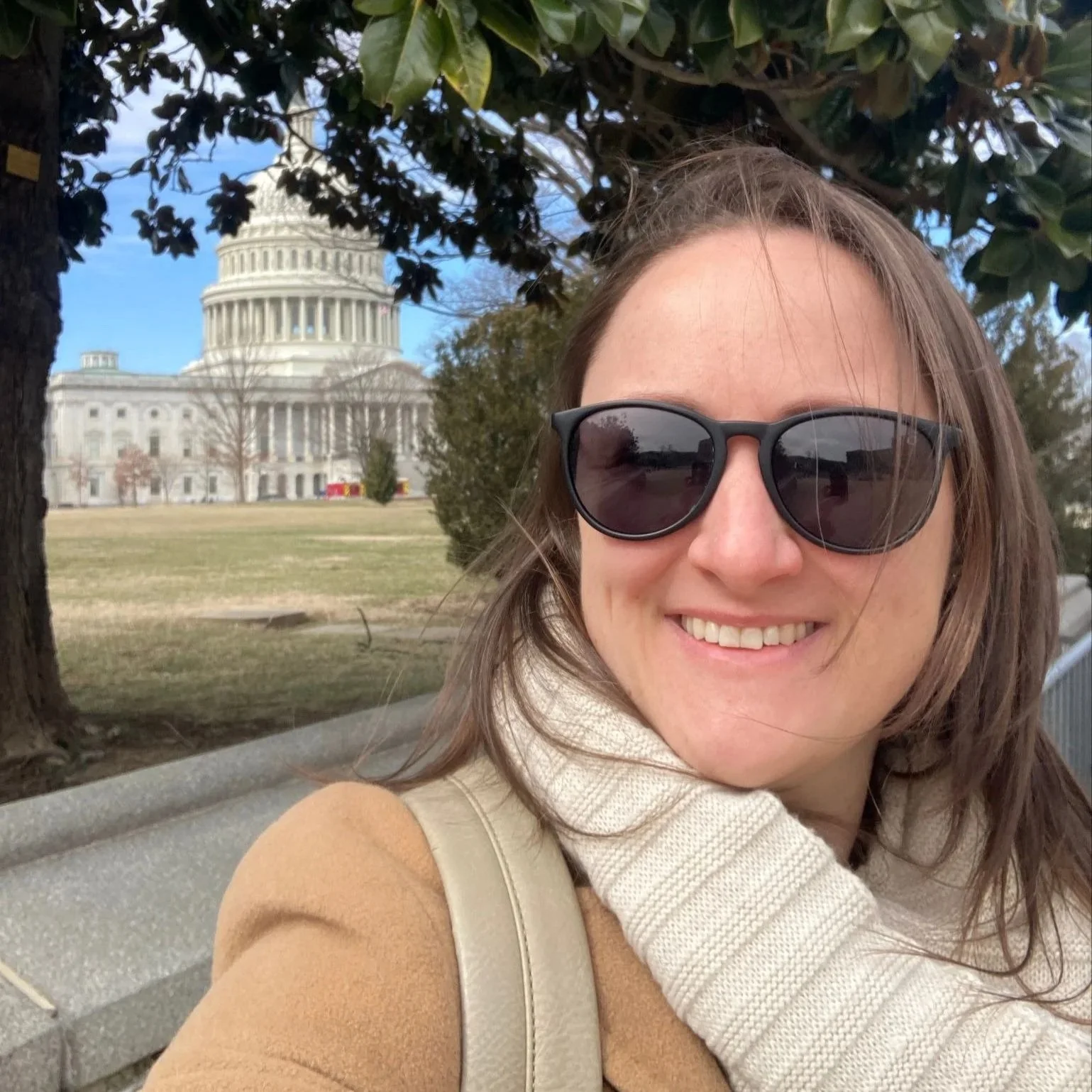
Photo caption: “I work here now!” — my first day on the job
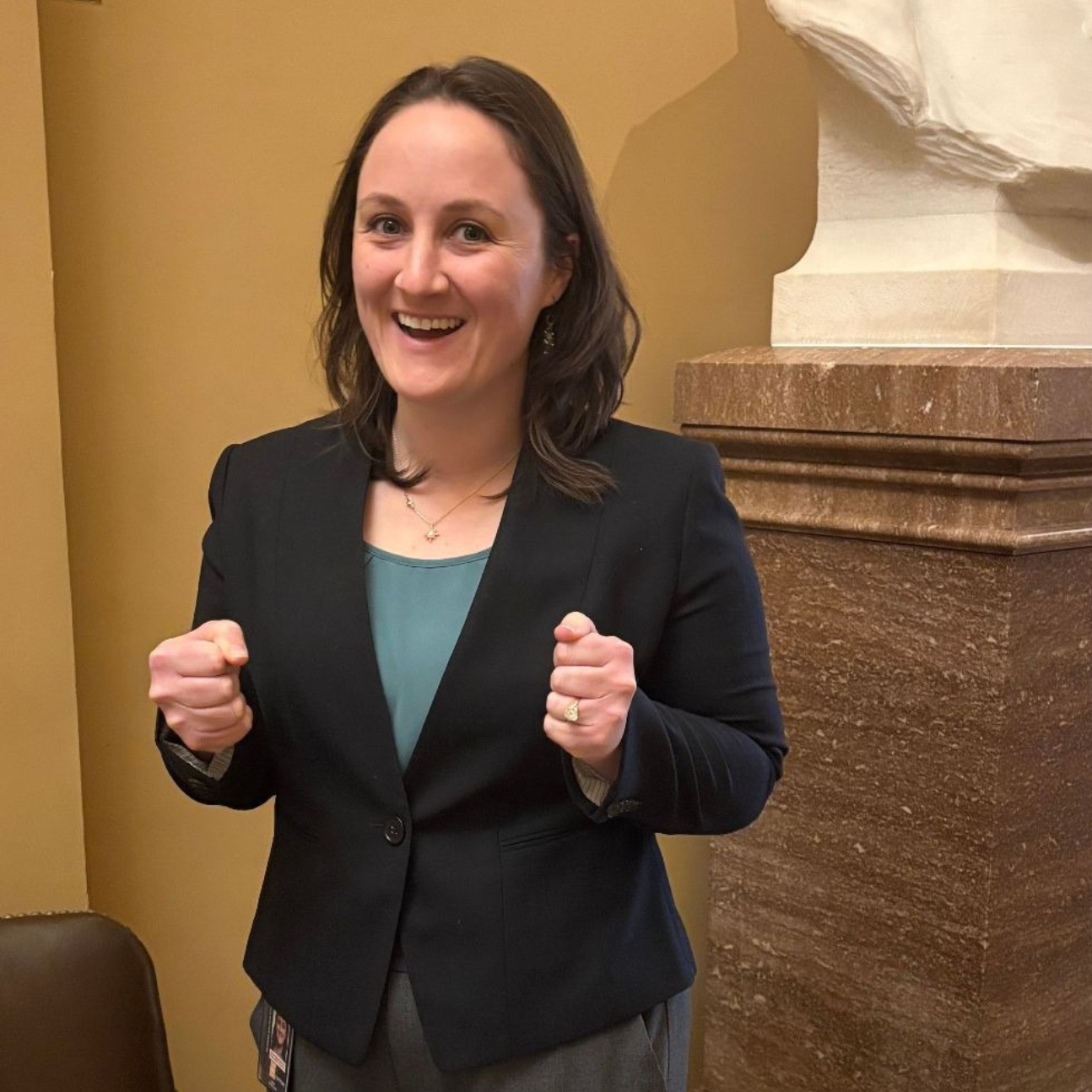
Photo caption: My first time introducing a bill! Though I forgot to take a picture before I handed it over.
For every committee hearing or markup the Senator planned to attend, we would spend anywhere from two to five days compiling his briefing memo. This included background research on the topic and witnesses, meetings with constituents and special interest groups, reviewing the Senator’s history on the topic, summarizing all this information in a few pages, then developing a line of questioning that could be asked and answered in five minutes or less (the time one Senator is allotted for questions). If the hearing was for the subcommittee where he was the Ranking Member, we would not only develop his questions and opening statement, but would work with subcommittee staff to help prepare all minority member offices on committee, interview and select the minority witness, and prepare the witness. Committee activity took up the majority of my time.
But it was far from all of it. I worked with offices on both sides of the aisle to draft and introduce legislation, wrote oversight letters, prepared talking points for interviews, attended closed-door meetings with CEOs, learned about quantum, privacy, broadband, and telecom from the top experts in the country, and held companies to account for their decisions. I got to be the expert who could explain why companies invest millions in cybersecurity in protecting what amounts to a bunch of numbers (neural network weights) or could ask lobbyists the technical questions that showed their company was not actually trying to solve the problem.
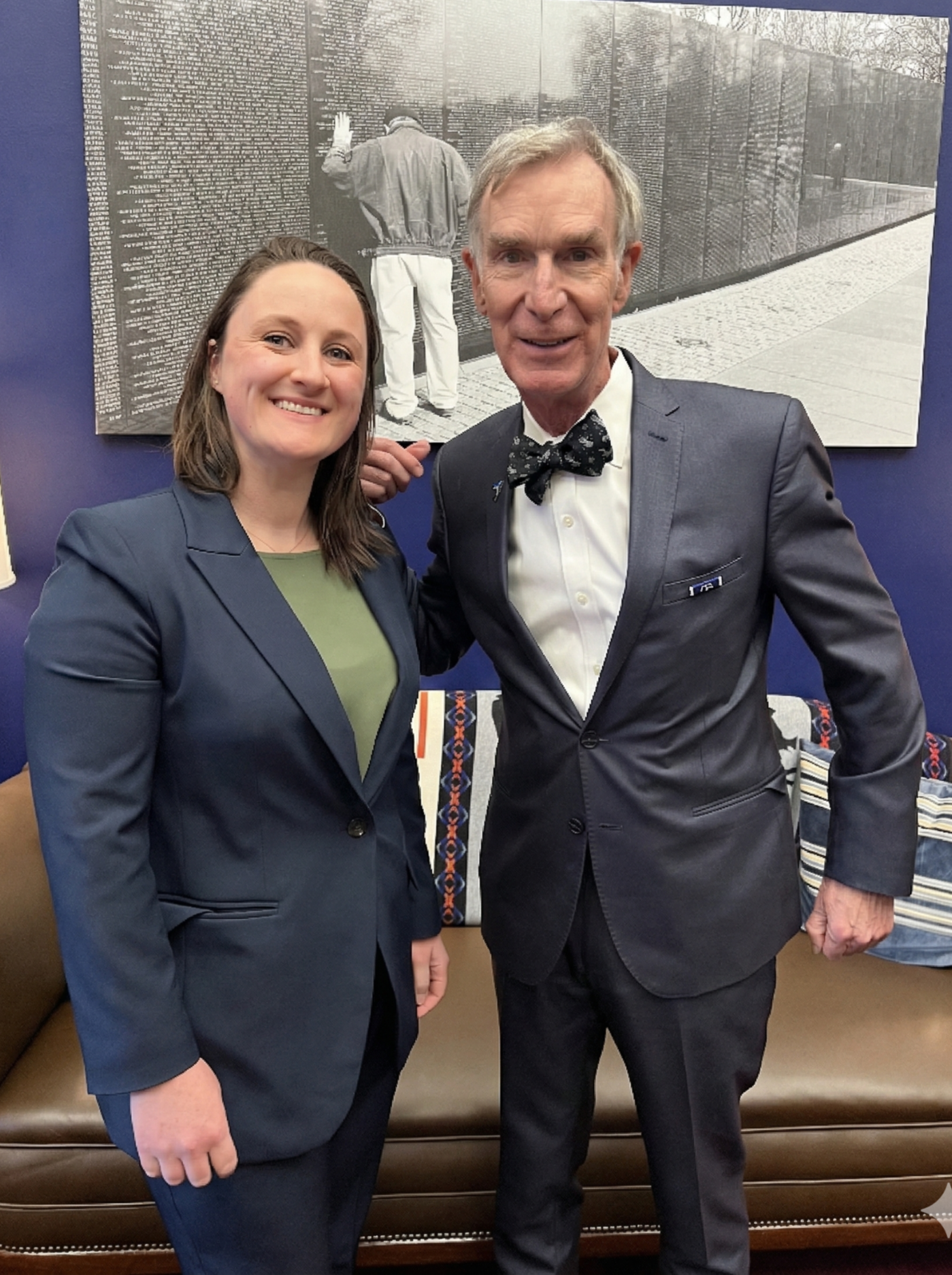
Photo caption: Bill Nye spends a lot of time advocating for additional funding for space science
My days in the office were often predictable; I would walk in knowing what memos I had to write and what meetings I had. But you know the feeling when you read something in the news and go, “Oh no. This is bad. Someone needs to do something about this!”? It’s very strange to suddenly realize that someone is you.
Many of my days were quickly derailed by the news. One morning, I was rewriting hearing questions while brushing my teeth because there had been a devastating flood in New Mexico. Another day, things went sideways because $400,000 worth of lobsters had been stolen from a trucking company.
“You know the feeling when you read something in the news and go, “Oh no. This is bad. Someone needs to do something about this!”?
It’s very strange to suddenly realize that someone is you.”
Other days were derailed by becoming the news. A hearing question I helped write turned into a Twitter firestorm. A bill I helped the Senator cosponsor unexpectedly became a major story. It is a surreal feeling to have your mom send you a news article saying “Did you hear about this??” and you have no response because that’s a news story you helped create.
And then… recess. The almost eerie quiet counterpart to the chaos of in-session weeks. No meetings, no hearings, no late night votes or last-minute interviews, no floor speeches, and no suits. Baseball hats, jeans, sun dresses, and sneakers are common. It’s a time to take a breath, work on legislation, get coffees, follow up, write letters, and dig into the long-term projects that get put on the back burner during the mad dash.
Working for a Senator is, by far, the weirdest job I’ve ever had. I absolutely loved it.
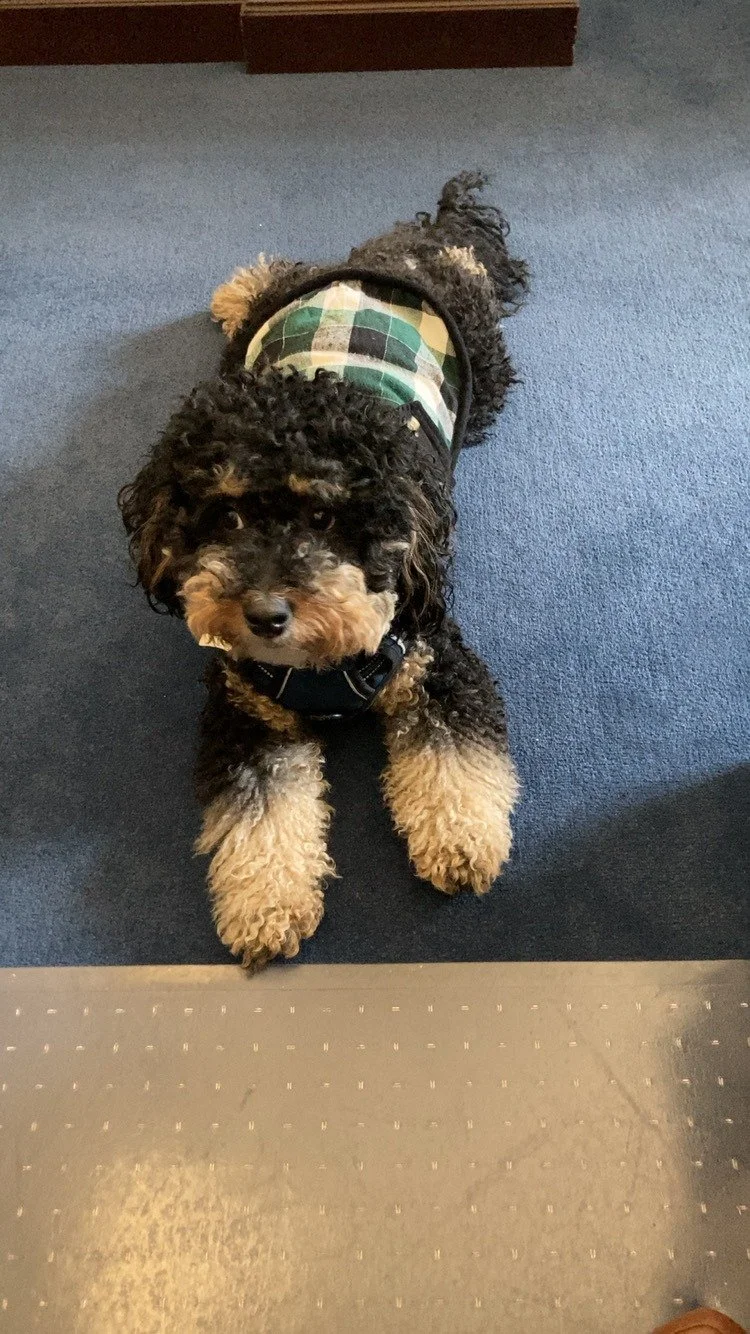
Photo caption: Finnegan, our trusty office dog
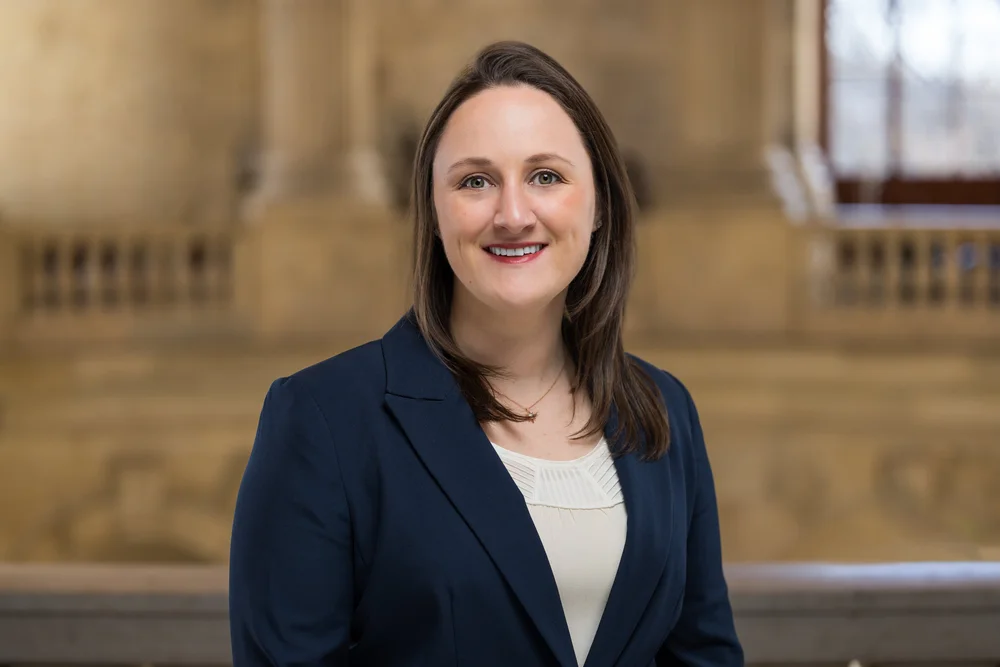
Anna Nickelson
This piece was written by TechCongress alum, Anna Nickelson (Senior Congressional Innovation Fellow, January 2025).
Anna is a roboticist, policy researcher, and science communicator focused on the responsible deployment of emerging technologies.
As a TechCongress Fellow, she spent a year on Senator Ben Ray Luján's Commerce Committee team. She worked across the full technology policy landscape, including AI, cybersecurity, broadband, social media, data centers, and telecommunications. Her work included substantial contributions to the LISTOS and TEST AI Acts, developing hearing memos and lines of questioning, and working directly with the Senator and his staff to shape his technical policy positions. Where she came in with technical depth, the fellowship broadened her understanding of the role of technology in society.
LinkedIn: https://www.linkedin.com/in/annanickelson/