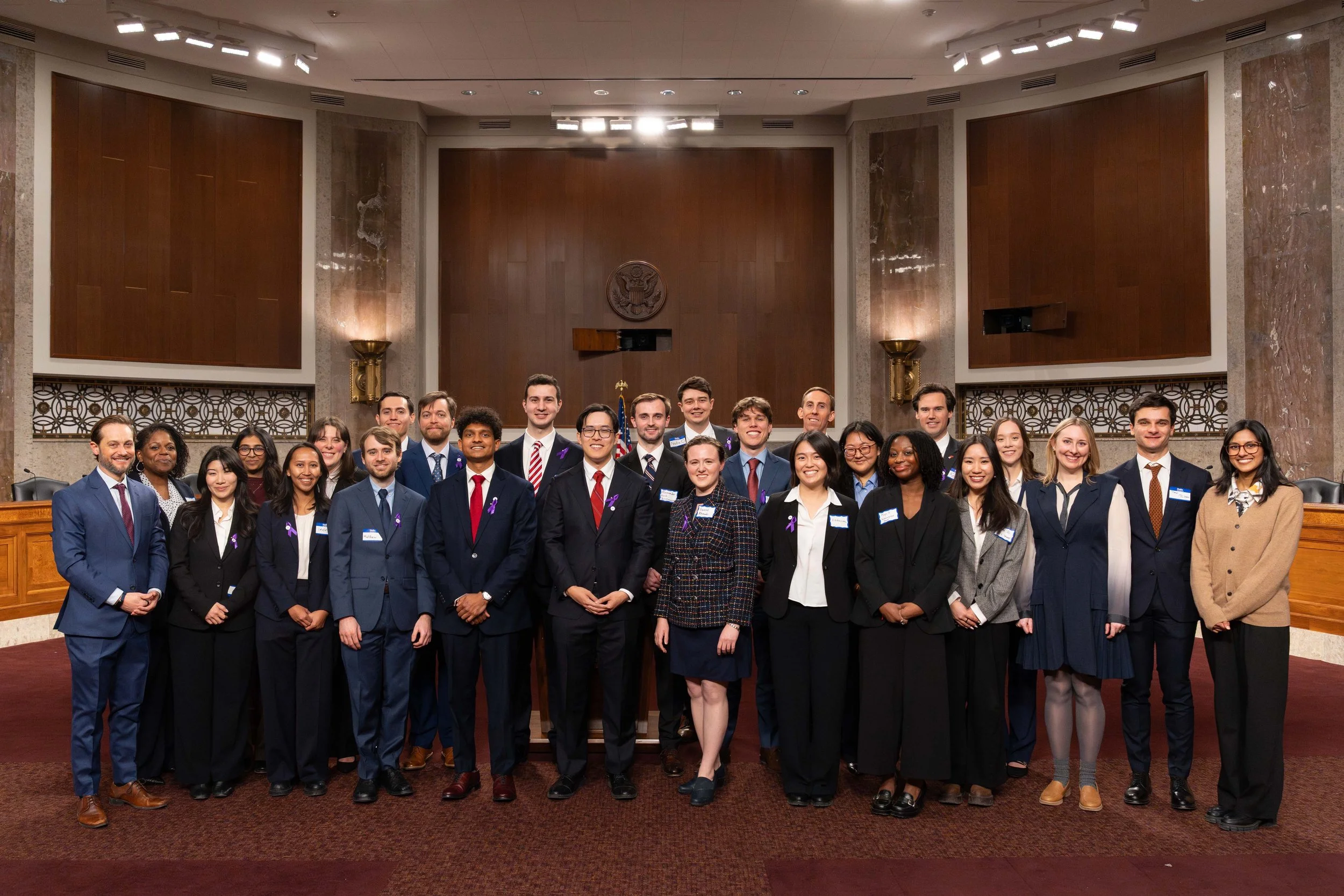
This January, 16 TechCongress fellows arrived in Washington, D.C. to begin their year on Capitol Hill. Over three weeks of orientation, they dove into the inner workings of Congress, learning how bills become law, how memos shape policy, and how to navigate the offices and committees where technology legislation happens.
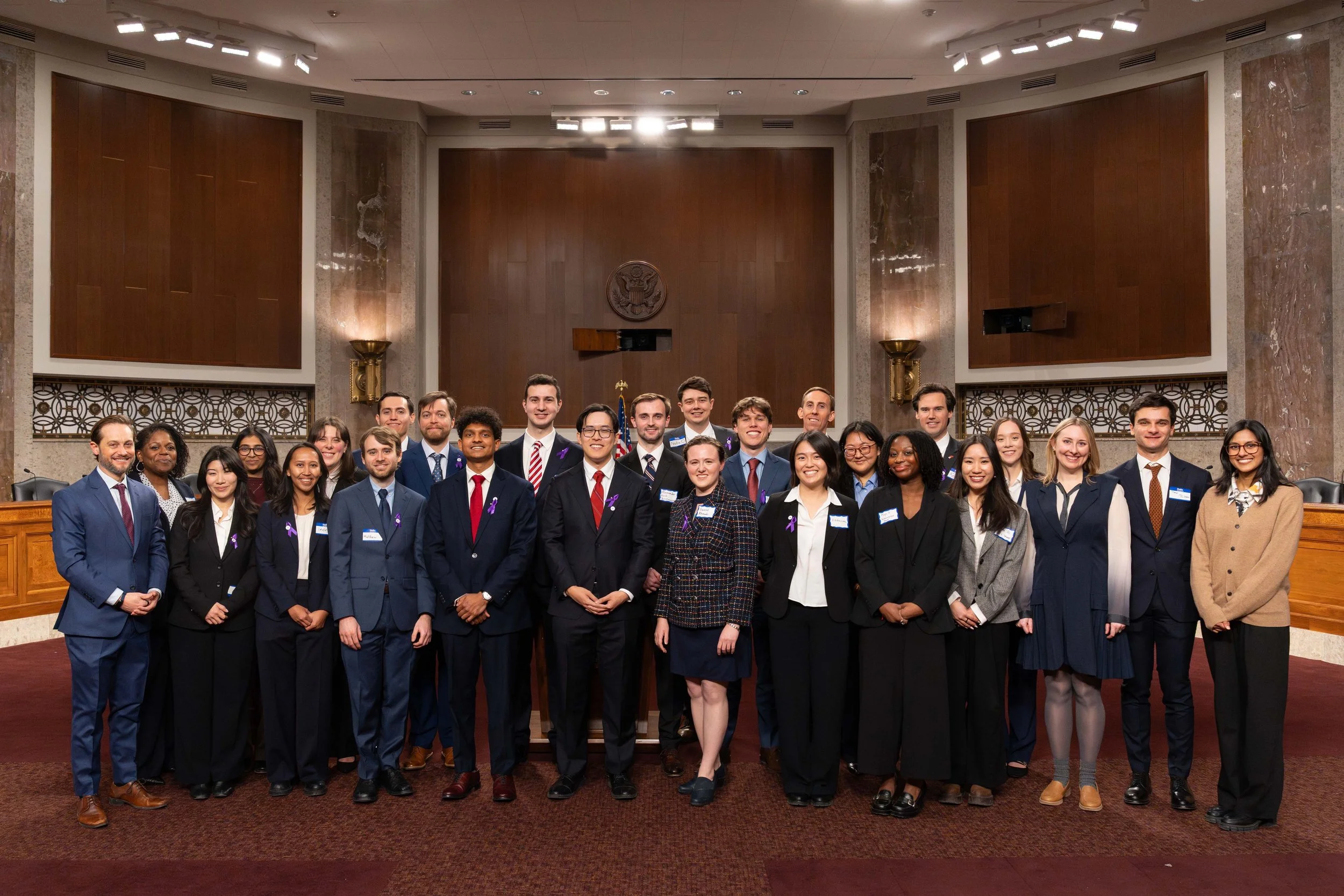
TechCongress and Horizon fellows pictured at the January Launch Event on Capitol Hill. Photo credit: David Starry, David Starry Photography
Our fellows bring valuable experience with technology across a mix of contexts to their offices, giving them a unique vantage point on tech policy from inside Congress. Fellows support their offices’ technology portfolios, including AI, data privacy, online safety, digital service delivery, cybersecurity, and more. We recognize that the definition of a ‘technologist’ is ever-changing, and we ensure our cohorts contain a wide breadth of expertise that reflects the latest developments in technology (read about the most recent additions to the verticals we recruit for here). With so many policy areas to choose from, Orientation helps fellows understand where these issues sit within Congress and how to find the right fit.
During their terms, an equal number of fellows join Democratic and Republican congressional offices and committees that are at the center of critical technology legislation. They will help write letters and memoranda, conduct research, and staff the hearings and meetings that are part and parcel of the legislative process. Orientation equips fellows with the tools, practical know-how and expert guidance needed to hit the ground running as staffers in Congress.
Read on for an overview of TechCongress’ 2026 fellow Orientation.
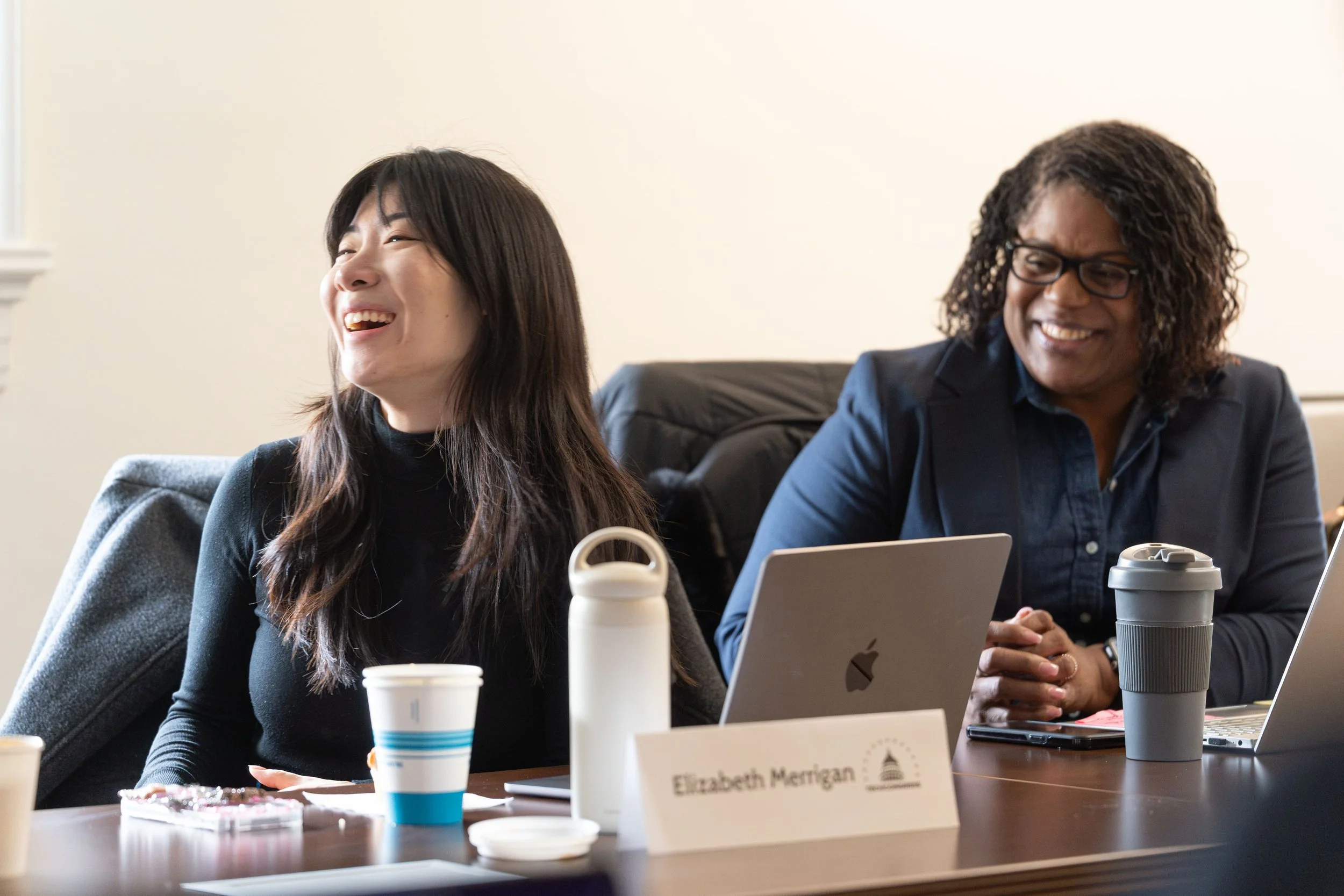
TechCongress 2026 Congressional Innovation Fellows Elizabeth Merrigan (L) and La Chiara Landrum (R) photographed during Orientation. Photo credit: David Starry, David Starry Photography
Congress 101
Fellows spent Orientation learning from TechCongress staff and alumni, whose combined knowledge helped paint a holistic picture of Congress. We believe that the best preparation, short of the real thing, comes from interactive and collaborative learning. We began with an overview of the stakeholders in Washington, D.C.
Congress is greater than the sum of its parts, which include academic institutions, civil society organizations, and a wide range of groups that interact with legislators daily. During the D.C. Stakeholder Mapping module, fellows worked together to identify and visualize the groups, organizations, and legislative bodies situated in congressional and civic technology ecosystems. This groundwork set the stage for the sessions that followed: The Structure of Congress, Congressional Committees and Jurisdictions, and How a Bill Becomes a Law.
Interspersed throughout regular programming, fellows participated in teambuilding exercises and field trips. LEGO races, icebreakers and a guided tour of Capitol Hill gave fellows a chance to connect among themselves and learn about Washington, D.C. outside the classroom.
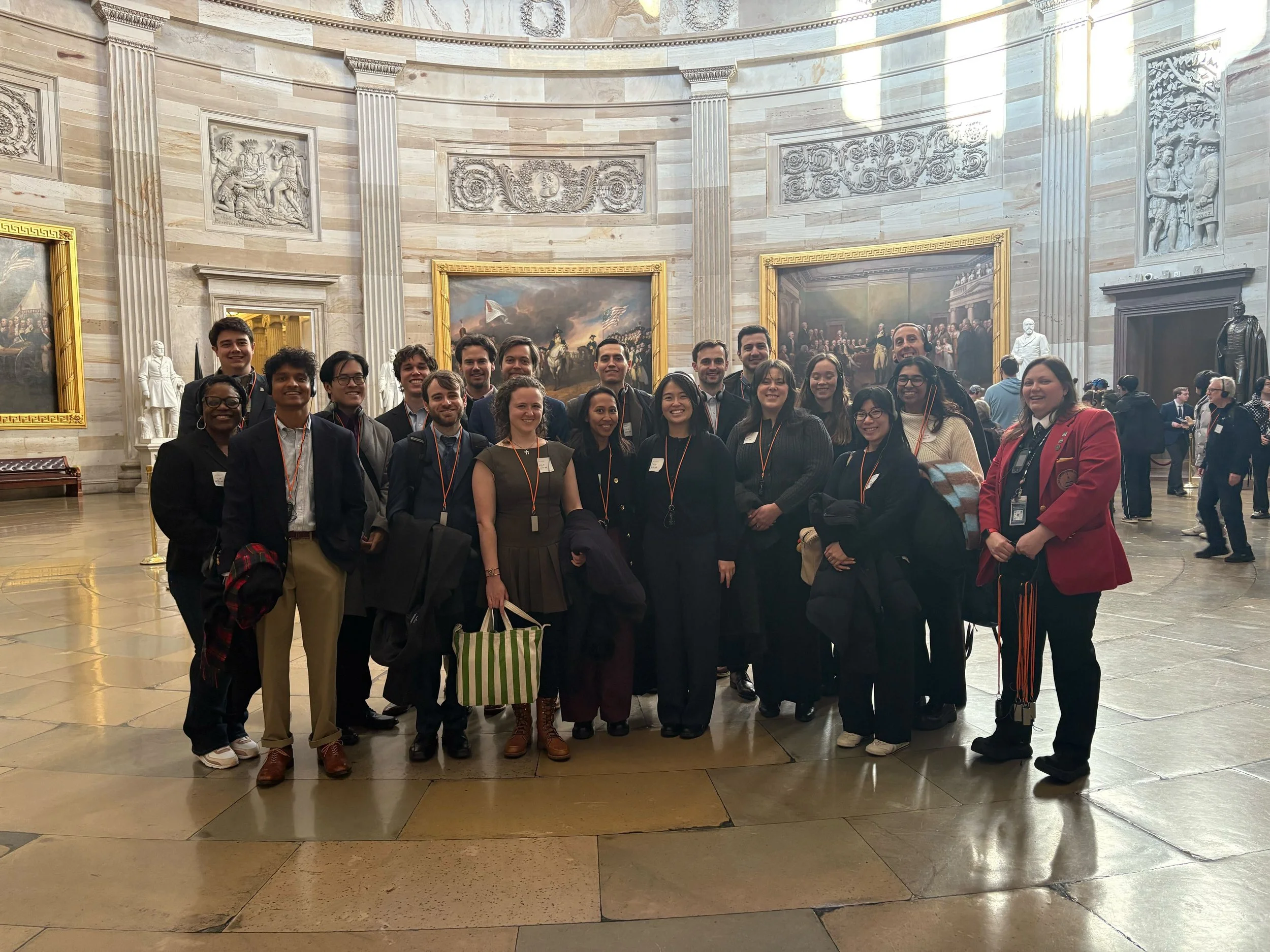
TechCongress and Horizon fellows during a tour of Capitol Hill.
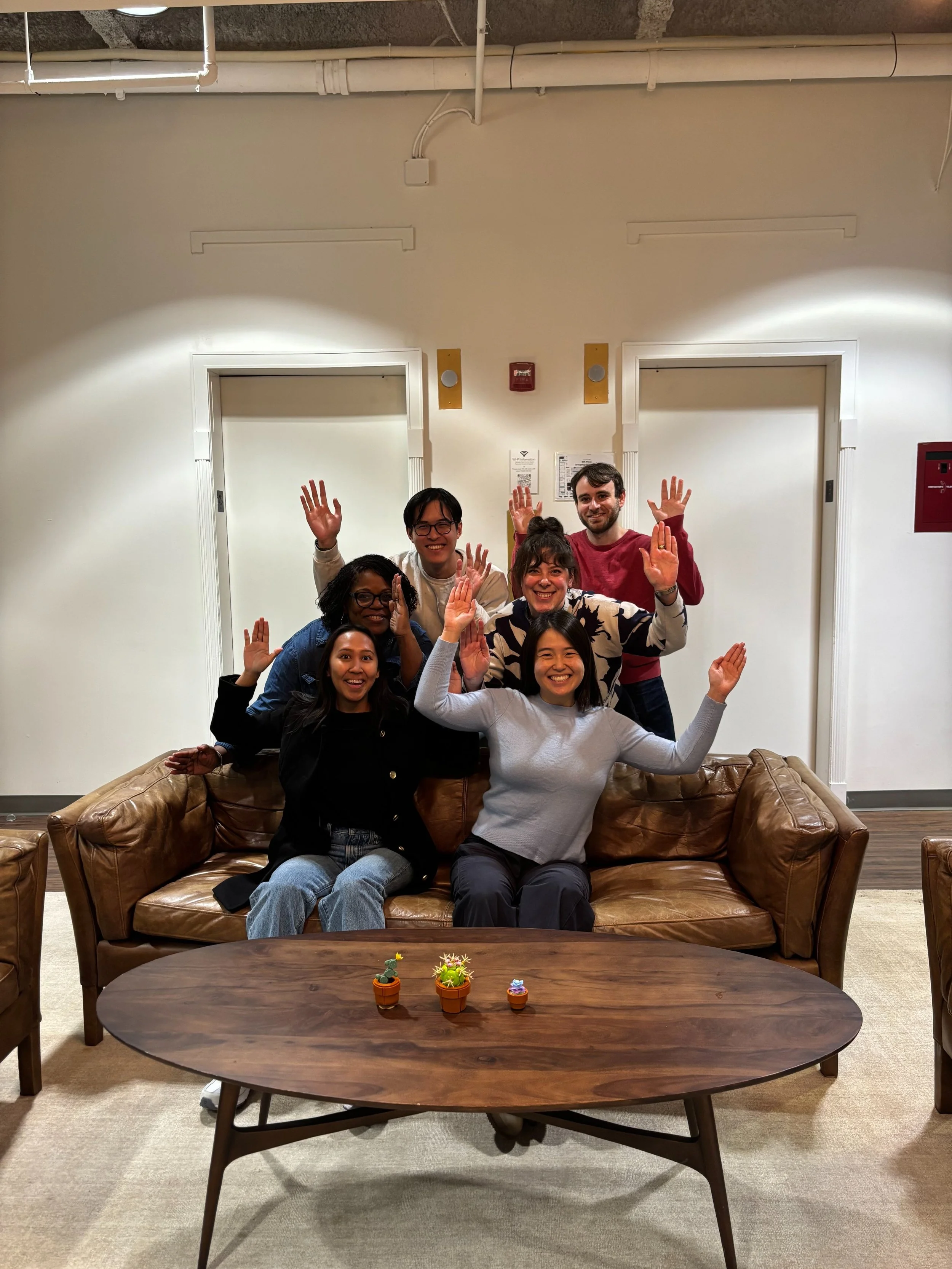
From top to bottom, left to right: Winners of the LEGO race, Jeremy Yu, Matthew McMillan, La Chiara Landrum, Hope Mango, Indri Adisoemarta and Katherine Jin.
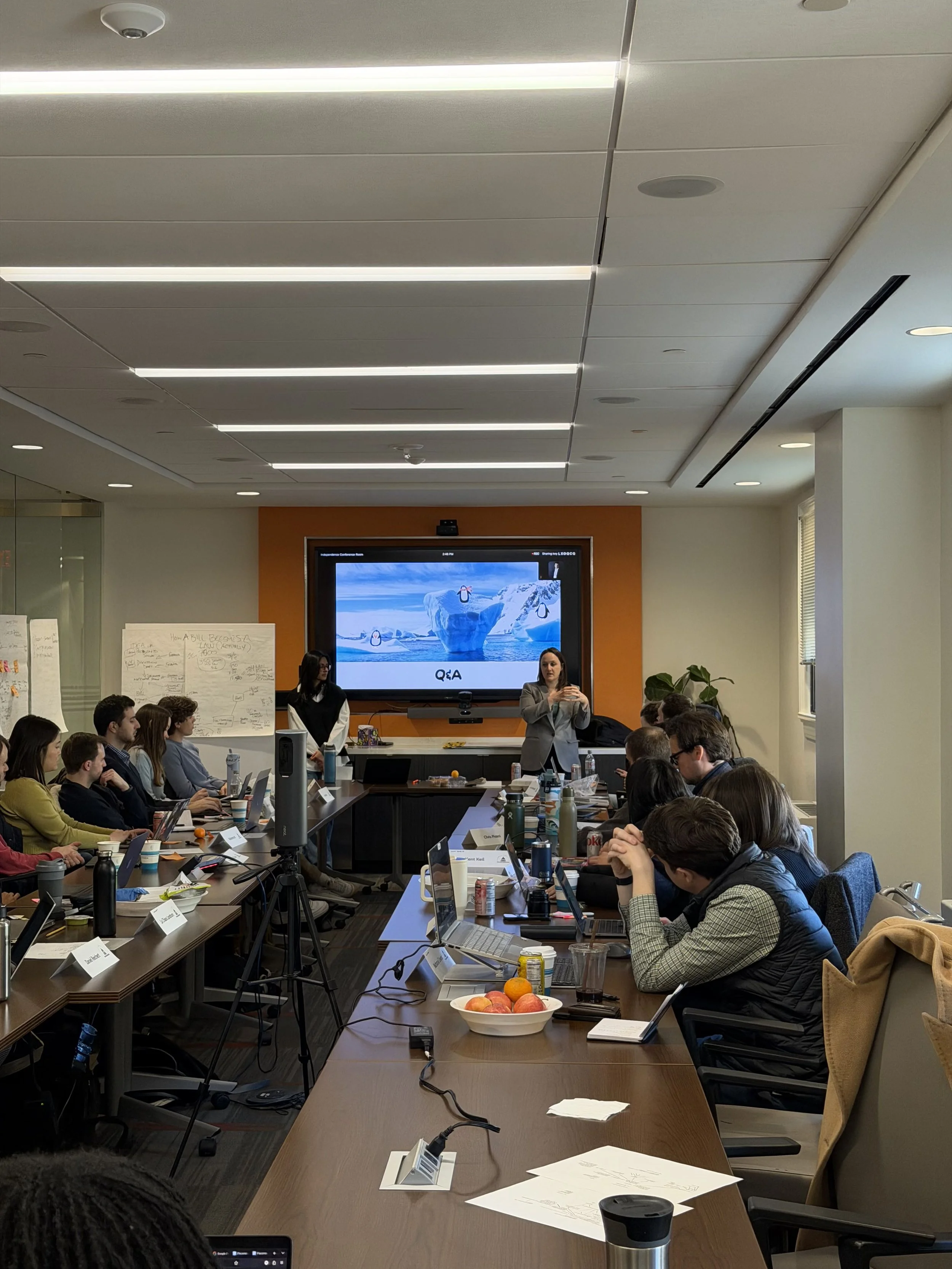
Aleena Khan (L, TechCongress Senior Outreach & Program Manager) and Anna Nickelson (R, 2025 Congressional Innovation Fellow with Senator Ben Ray Luján) speaking to 2026 Congressional Innovation Fellows.
We topped off week one with a TechCongress alumni panel, featuring Maurice Turner (2017 Congressional Innovation Fellow with Senate Homeland Security and Governmental Affairs Committee Republicans), Rahul Hebbar (2025 Congressional Innovation Fellow with House Committee on Foreign Affairs Majority Staff) and Anita Rao (2023 Congressional Innovation Fellow with Senator John Hickenlooper), whose reflections on their own TechCongress experiences shed light on the range of opportunities available to the incoming cohort as they begin to explore Congress.
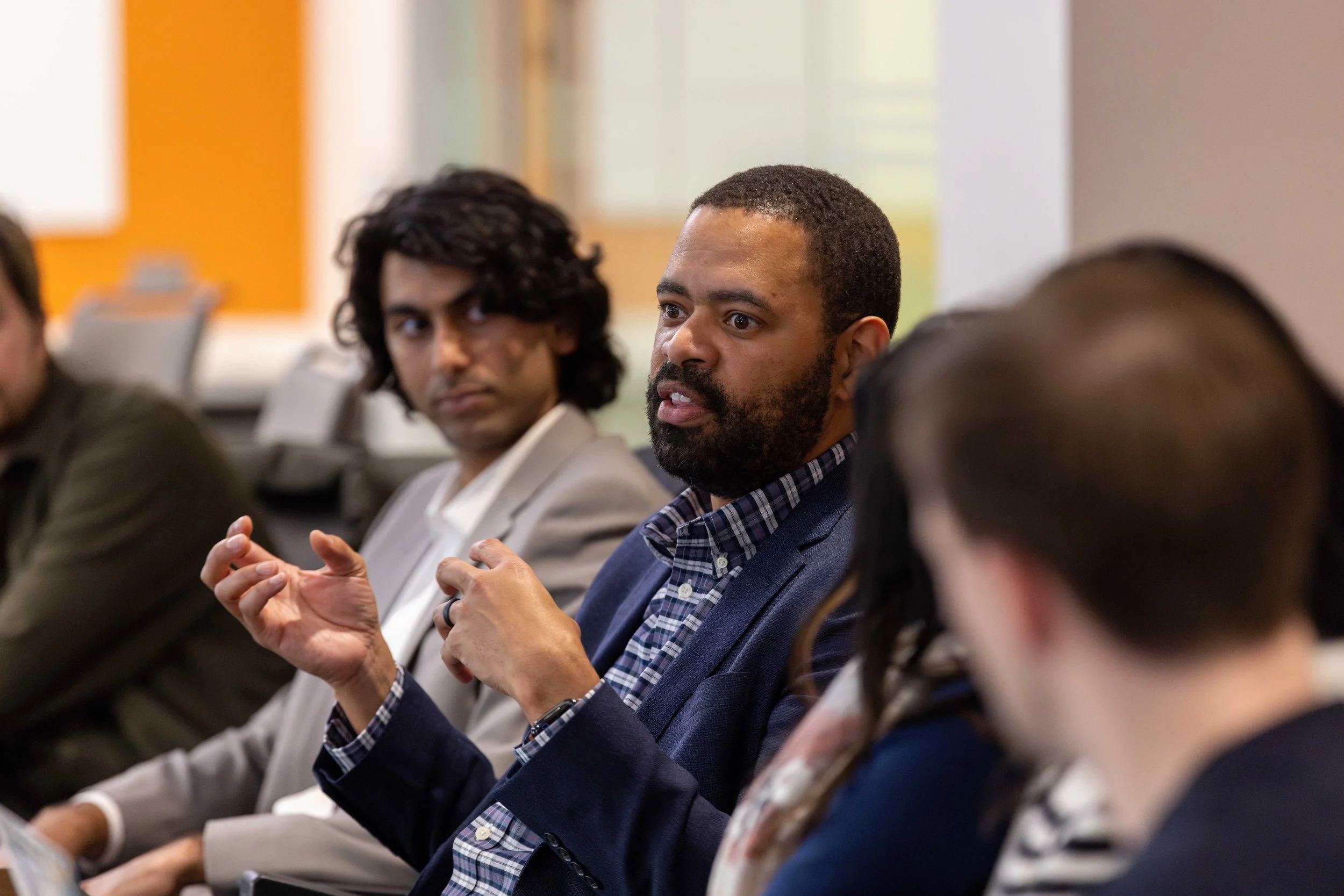
Rahul Hebbar (L, 2025 Congressional Innovation Fellow with the House Foreign Affairs Committee) and Maurice Turner (R, 2017 Congressional Innovation Fellow with Senate Homeland Security and Governmental Affairs Committee) speaking at the alumni panel.
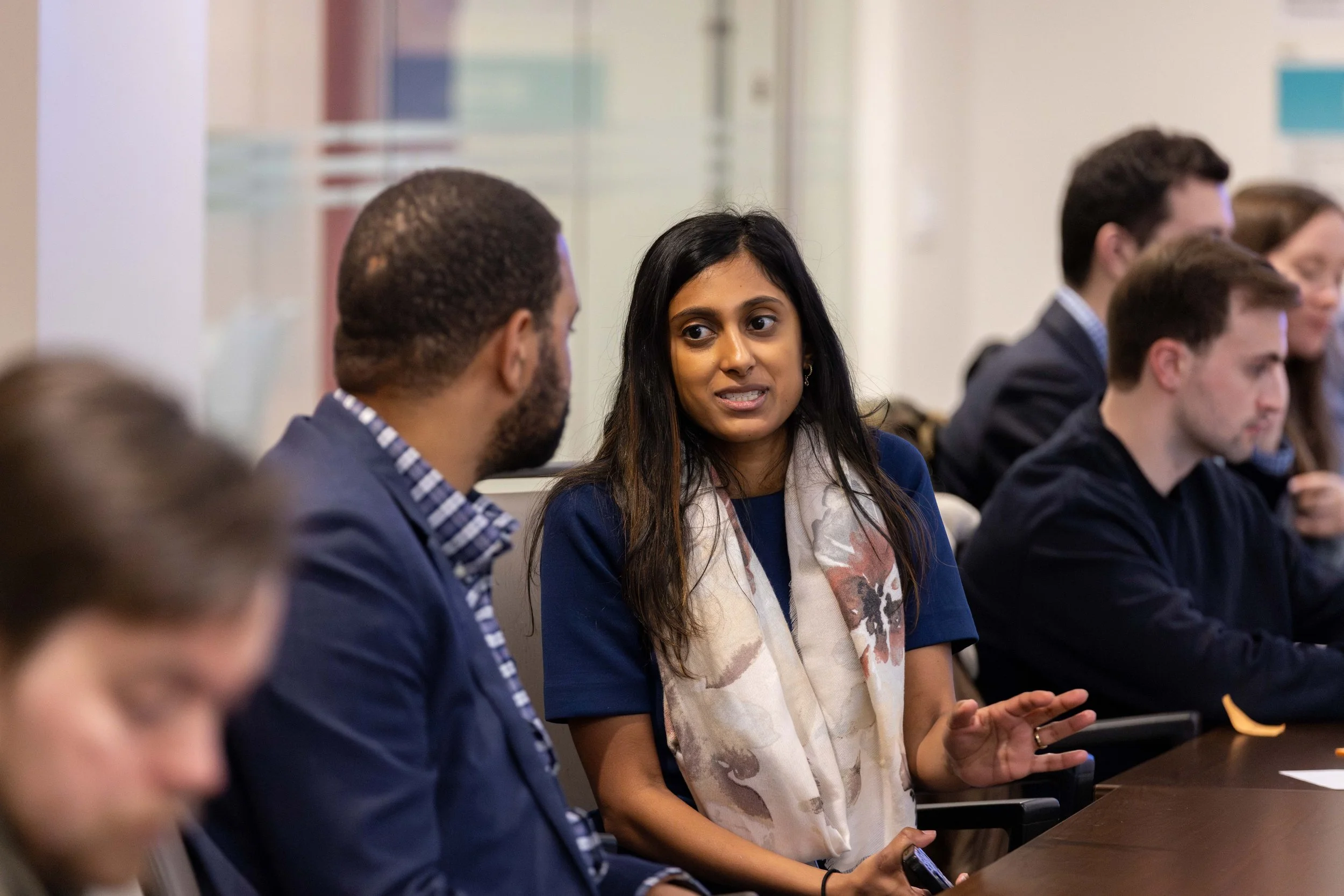
Maurice Turner (L, 2017 Congressional Innovation Fellow with Senate Homeland Security and Governmental Affairs Committee) and Anita Rao (R, 2023 Congressional Innovation Fellow with Senator John Hickenlooper) having a discussion during the alumni panel. Photo credit: David Starry, David Starry Photography
How TechCongress Fellows Support Their Offices
While week one introduced fellows to Capitol Hill, week two homed in on the specific congressional functions they will support their offices with. We welcomed TechCongress alumni B Cavello (2021 Congressional Innovation Fellow with Senator Ron Wyden) and Lacey Strahm (2022 Congressional Innovation Fellow with the House Energy and Commerce Committee under Representative Cathy McMorris Rodgers) for deep dives into legislative efforts they supported during their terms—algorithmic accountability and national data privacy, respectively.
These case studies are examples of the TechCongress fellowship experience at its peak, where fellows work alongside congressional staffers and contribute their expertise to the policymaking process. Moreover, they highlight the importance of the machinery of Congress: memos, letters and hearings.
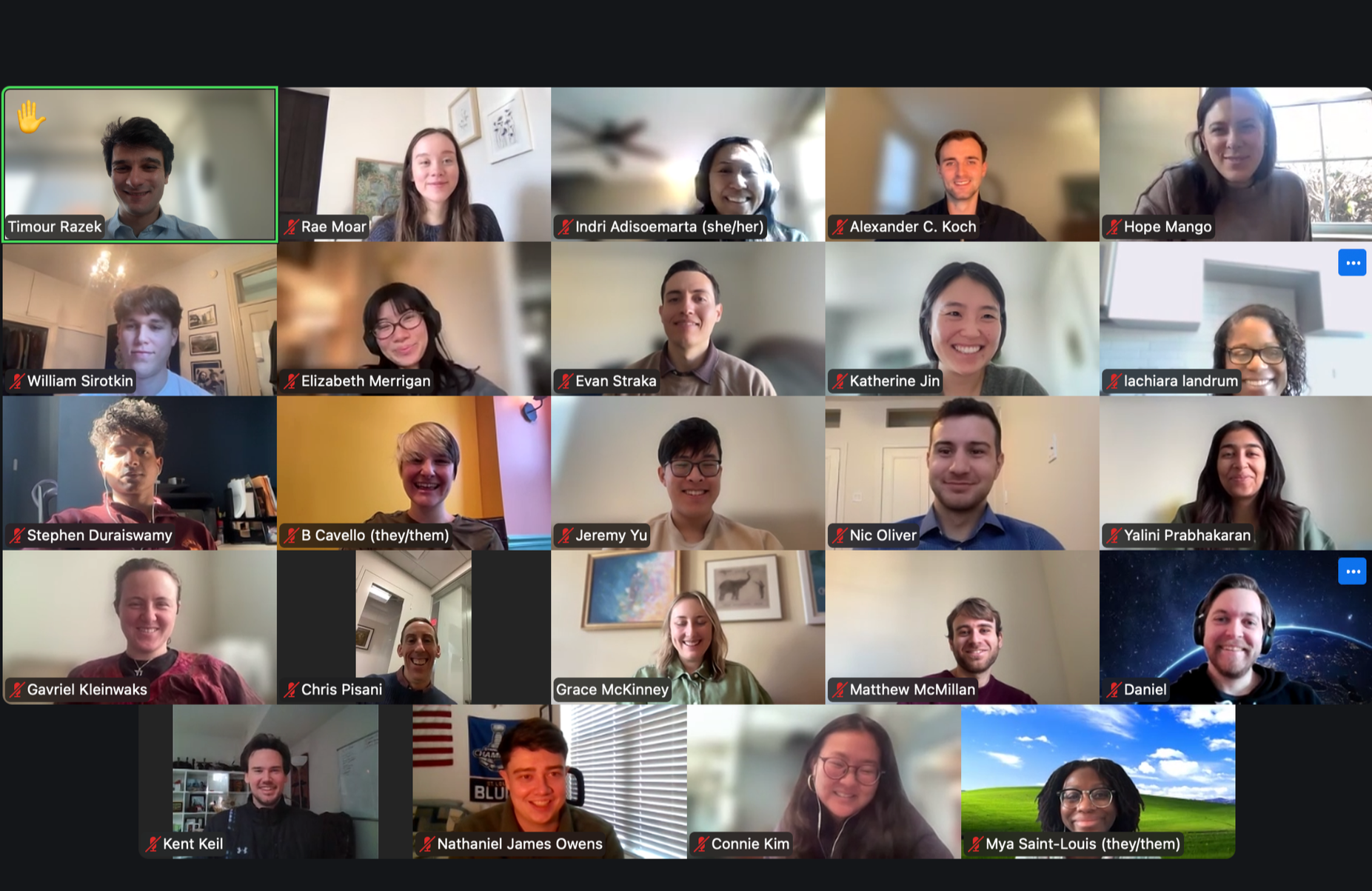
TechCongress 2026 Congressional Innovation Fellows pictured during B Cavello’s (third row, second from left) Zoom presentation on Algorithmic Accountability.
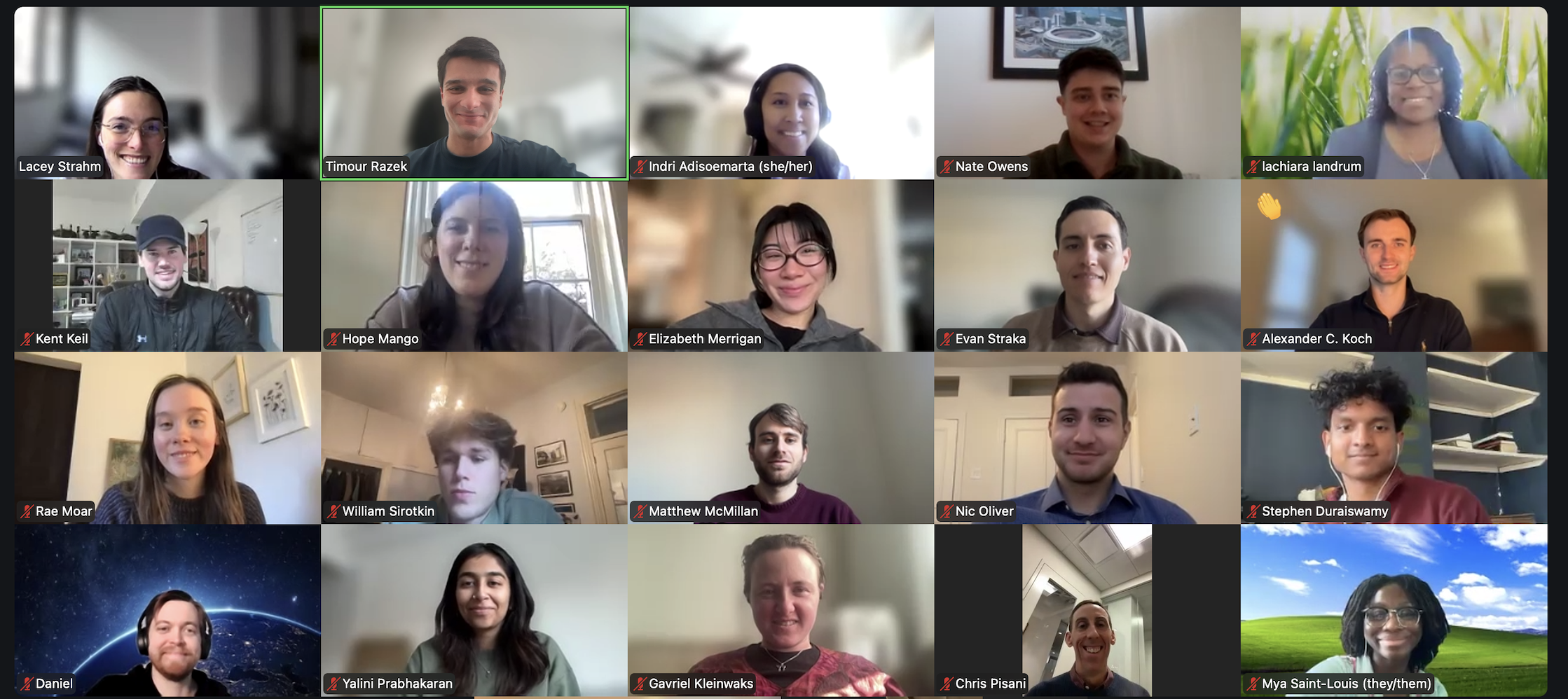
TechCongress 2026 Congressional Innovation Fellows pictured with Lacey Strahm (first row, first from left) Zoom presentation on national data privacy.
Fellows were taught the purpose and structure of memos and the various letters that will cross their desks during their terms. The Memo Writing workshop outlines a standard memo and provides samples that fellows can study to better understand how and why they’re written. This breakdown showcases how documents like these are where staffers summarize policy issues and make evidence-based recommendations for Members.
Hearings combine these functions in a formal setting where committees gather information. Learning how to plan a committee hearing is among the most essential components of Orientation.
Our week two modules are supplemented with contextual information sessions, exploring the distinct norms, culture and hierarchies of personal offices and committees that are as much drivers of policymaking as the letters they produce.
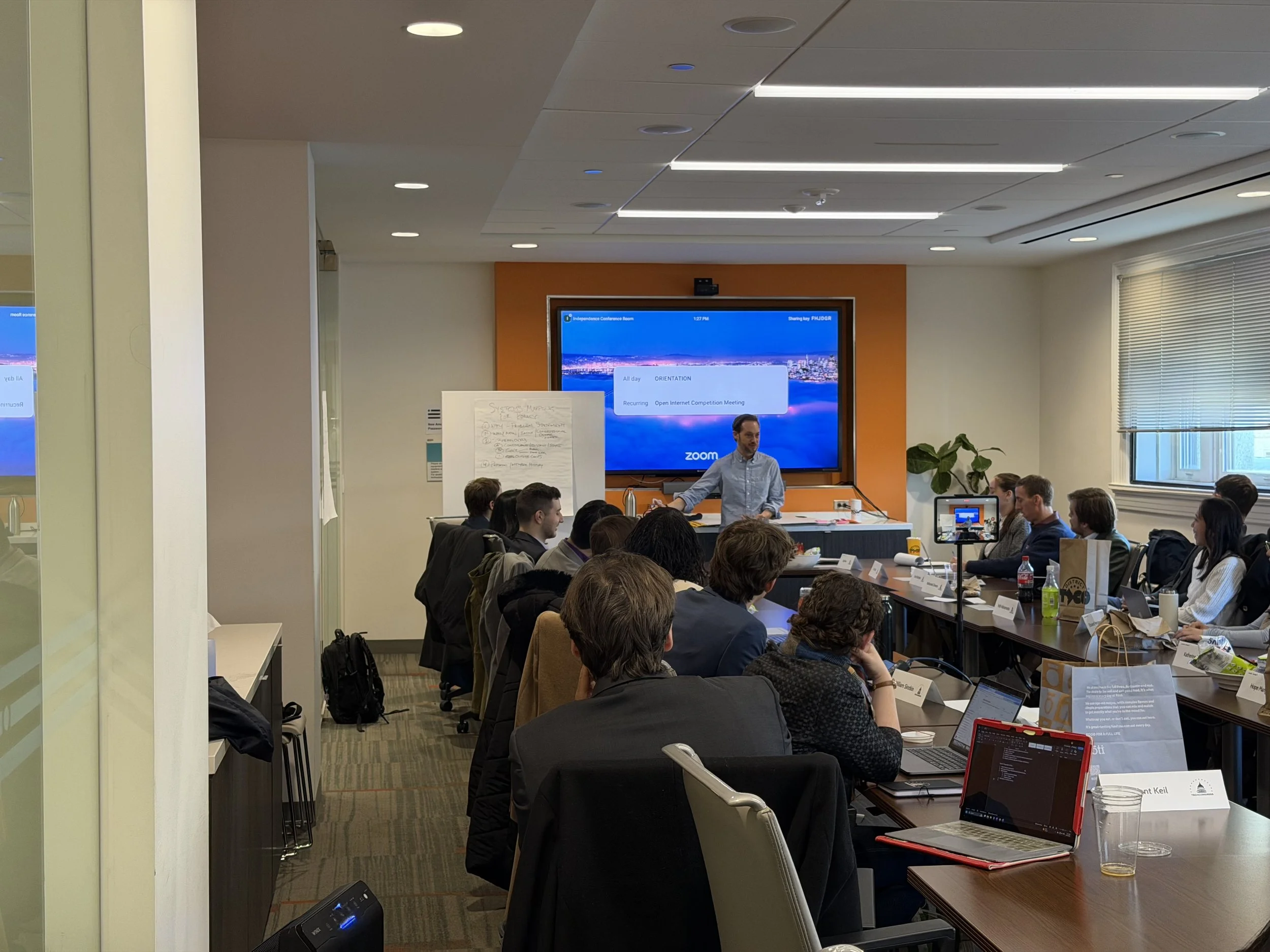
TechCongress Executive Director Travis Moore (front) discussing the components of a congressional memo.
Continuing a time-honored TechCongress tradition, fellows were given a tour of the Congressional Research Service (CRS), an agency they will engage with regularly as congressional fellows. This was followed by a guided tour of the Library of Congress.
TechCongress alumni Dylan Irlbeck (2023 Congressional Innovation Fellow with the Senate Finance Committee) and Anna Lenhart (2020 Congressional Innovation Fellow with the House Antitrust Subcommittee) joined us on the last day of week two to speak on the day-to-day responsibilities of a congressional staffer and the structure of oversight hearings. These sessions offered real-world applications and examples of the material covered throughout the week.
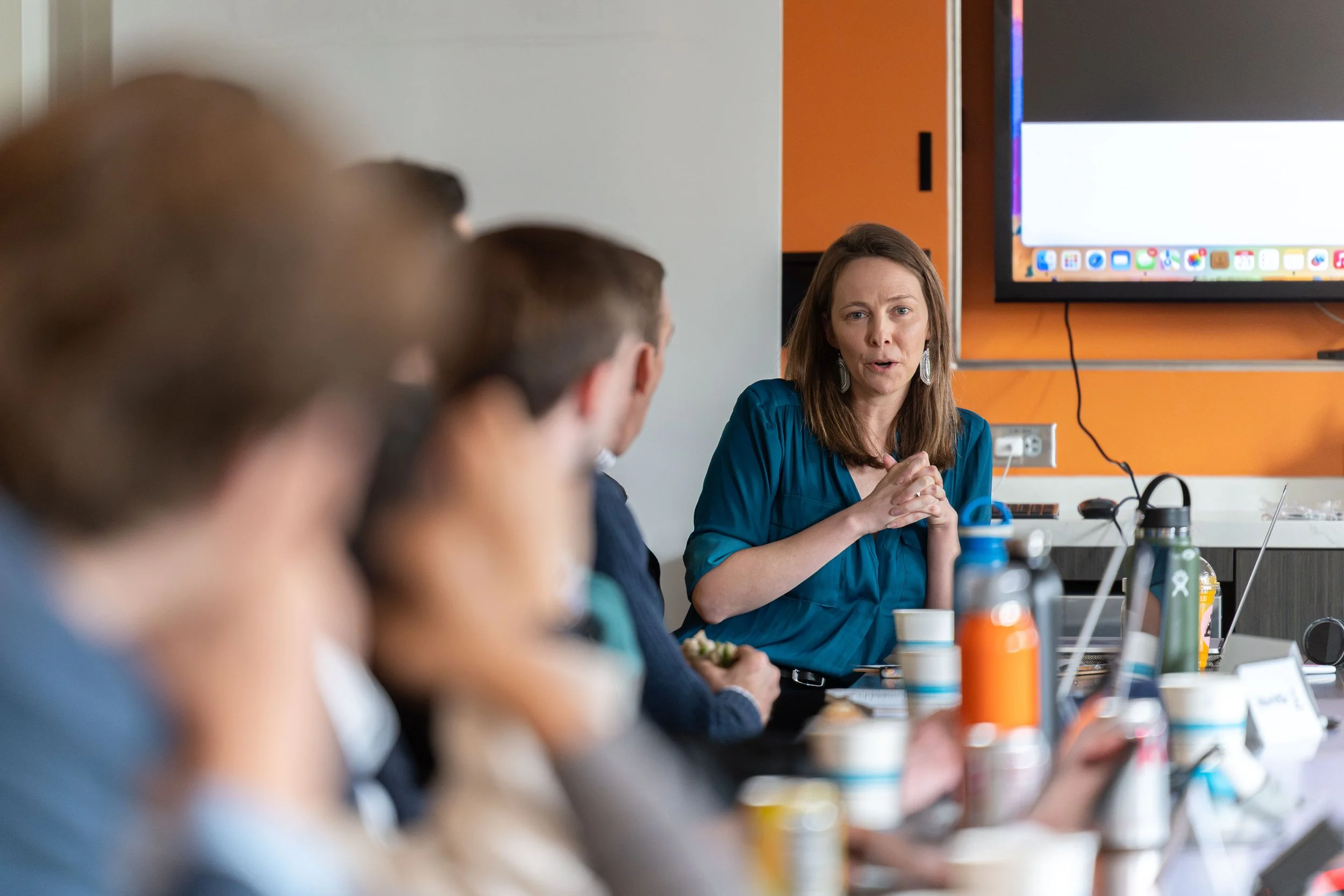
Anna Lenhart (2020 Congressional Innovation Fellow with the House Antitrust Subcommittee) speaks to 2026 Congressional Innovation Fellows. Photo credit: David Starry, David Starry Photography
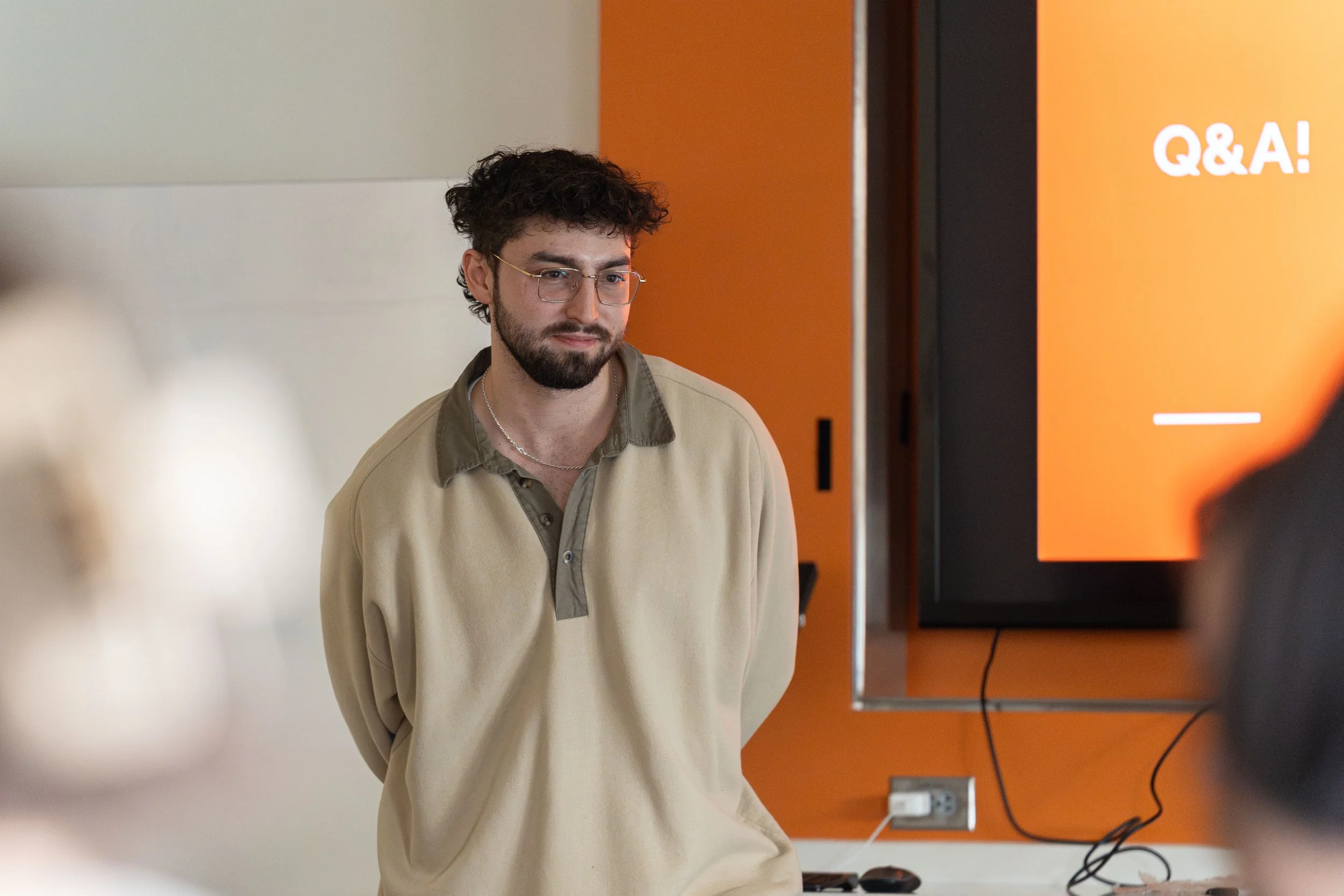
Dylan Irlbeck (2023 Congressional Innovation with the Senate Finance Committee) pictured at the end of his presentation. Photo credit: David Starry, David Starry Photography
Ending With a Launch Event on Capitol Hill
The last few days of Orientation prepared fellows for the placement process that takes place throughout February and March, during which they connect and interview with prospective host offices in Congress. Fellows are given tips and strategies for researching offices whose needs align with their individual expertise, which, of the 2026 cohort, include defense technology, data science, climate resilience, government modernization, and more (explore their individual biographies here).
With that, they’re ready for the January 29 Launch Event that TechCongress hosts on Capitol Hill. We invited congressional offices to meet the incoming cohort of fellows, and fellows were given the opportunity to connect with staffers from prospective offices.
The launch event was attended by TechCongress staff, alumni, fellows and staffers interested in hosting a fellow. Offices working on export controls, national security, foreign affairs, and grid resilience were among those in the room. During a brief address, Travis formally introduced the fellows, who proceeded to network with the congressional offices in attendance. Fellows left the launch event with additional connections and leads for potential interviews, thereby formally concluding Orientation.
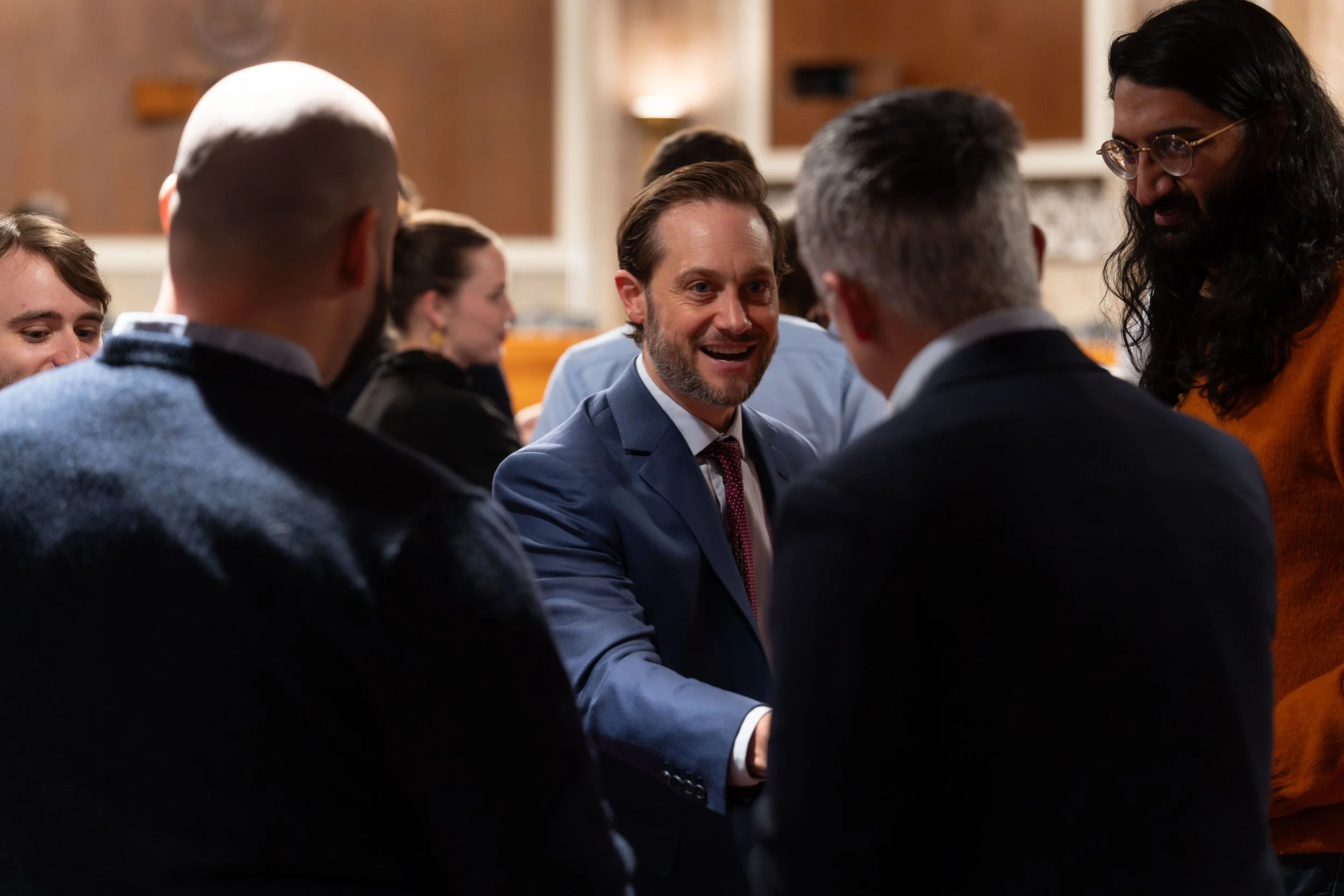
TechCongress Executive Director Travis Moore (center) welcomes an attendee at the Capitol Hill fellowship Launch Event.
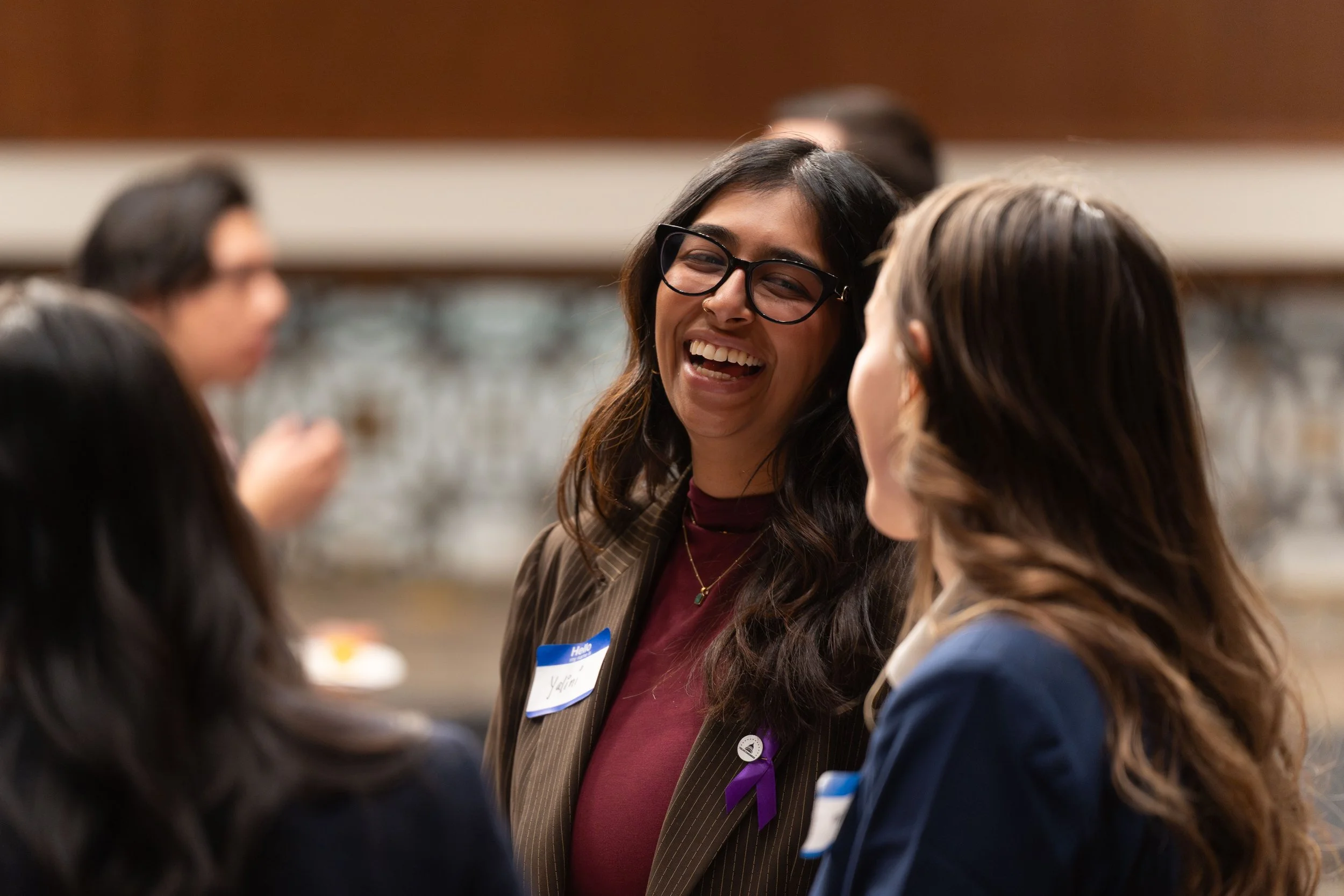
TechCongress 2026 Congressional Innovation Fellows Yalini Prabhakar (L) and Rae Moar (R) at the Launch Event. Photo credit: David Starry, David Starry Photography
Since then, fellows have interviewed and placed with offices across Congress. Stay tuned for more on their placements.
Interested in bringing your tech expertise to Congress? Learn more about our Congressional Innovation Fellowship here, and follow us on LinkedIn, X and Bluesky for more news ahead of our 2027 application cycle.
TechCongress is a technology policy nonprofit that helps Congress meet the demand for tech expertise through its Congressional Innovation Fellowships.