TechCongress’s 2026 Congressional Innovation Fellows are nearing the end of their terms on Capitol Hill. Earlier this year, in the weeks following Orientation—a span of time we refer to as Placement—fellows met with the congressional offices they had identified as prospective hosts. We design Orientation to equip fellows with the tools they need to land interviews and match with offices that align with their interests and expertise. During Placement, fellows are busy scheduling the coffee chats, meetings and interviews that precede their service as congressional tech policy advisors.
This year, we guided 18 fellows through Placement—the largest TechCongress cohort ever to go through this process. Every new cohort is a chance for us to both iterate on what we did in previous years and test new things.
In this piece, TechCongress Deputy Director Grace McKinney and Program Associate Mya Saint-Louis share their takeaways from this year’s Orientation and Placement as they prepare for the incoming cohort of Congressional Innovation Fellows.
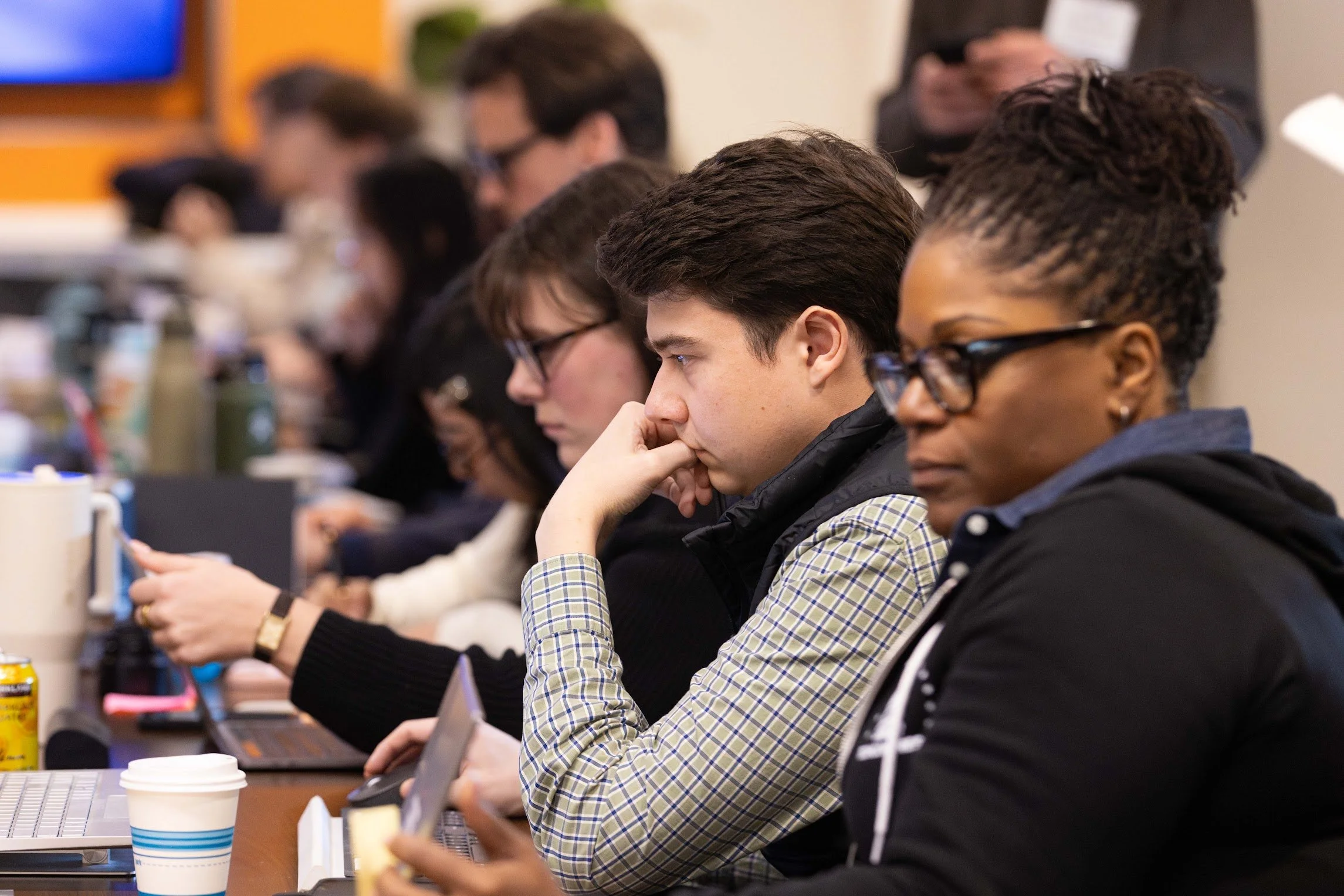
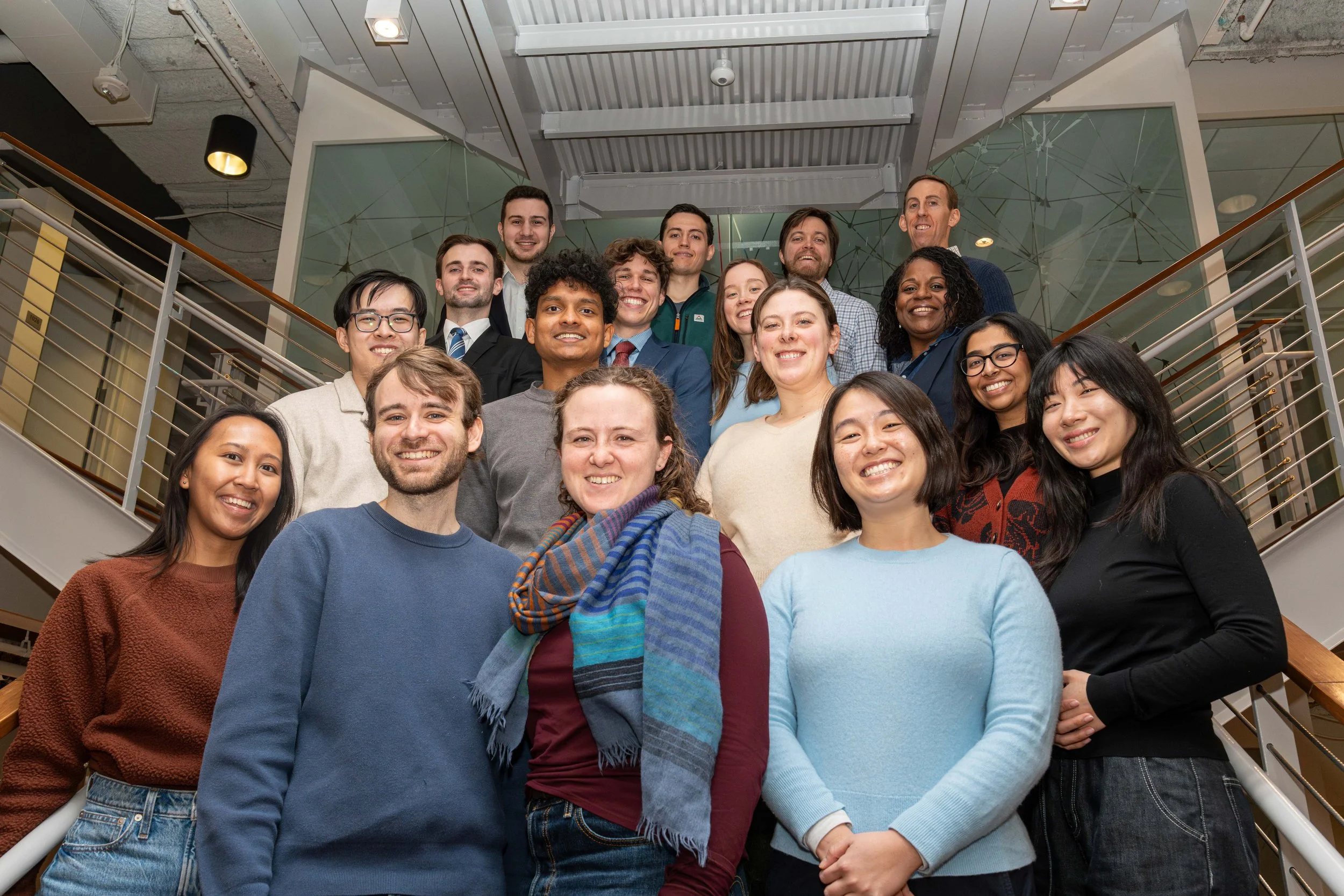
Photo caption: TechCongress 2026 Congressional Innovation Fellows pictured during Orientation. Photo credit: David Starry, David Starry Photography
Mapping interests early. We kicked off Placement with each fellow mapping their areas of interest to members of Congress and committees. This prepared them for individual conversations with the Executive Director and Deputy Director, where they were advised on the first few steps they should take in their Placement process. Interest mapping lends itself to a tailored outreach approach, helping fellows navigate the many potential host offices and committees tackling distinct technology portfolios so they ultimately match with the best possible fit.
Making time for team-building activities. Since switching to a once-a-year cycle of our Congressional Innovation Fellowship in 2024, our cohorts have grown larger. With 18 fellows this year, it can be harder for camaraderie and community to develop organically, so we intentionally built opportunities for our fellows to work together. On the second day of Orientation, teams competed against each other in a puzzle race, which set the tone for the group activities that followed. By making room for these activities, we help even our larger cohorts build genuine connections that will carry them through a year of working collaboratively in Congress.
Looping in alumni early and recruiting them as advisors. TechCongress alumni play an active role at the start of each cohort’s fellowship. As advisors during Placement, they’re paired with fellows to provide mentorship, guidance and connections on Capitol Hill while fellows begin contacting host offices, seeing them through the process from start to finish. This year, we also invited alumni to lead various workshops during Orientation. For example, B Cavello (2021 Congressional Innovation Fellow) led a workshop on their experience supporting the reintroduction of the Algorithmic Accountability Act during their term. While we equip our fellows with the foundational skills they need to succeed as congressional staffers, hearing from alumni who have served in Congress provides them with insights they couldn’t get otherwise.
Piloting mock interviews. During Orientation this year, we carved out time for our fellows to practice mock interviews with two 2025 Congressional Innovation Fellows, Dhruv Kathuria and Rahul Hebbar, who remained on the Hill post-fellowship. This was our first time implementing mock interviews during Orientation, an exercise fellows found instructive as they prepared for their rounds of interviews and coffee chats. Fellows began scheduling office interviews at the Launch Event, held on the congressional campus at the end of Orientation, where prospective offices connected with fellows.
Visiting the House Digital Service. For the first time, we organized a visit to the House Digital Service—the House of Representatives’ in-house technology team—at the end of Orientation. TechCongress helped establish the House Digital Service through our one-time Congressional Digital Service Fellowship, launched shortly after the start of the COVID-19 pandemic. Since then, it has supported the House’s digital infrastructure, helping both personal offices and committees work more efficiently in an increasingly digitized world. This visit was as a primer on the digital tools available to Congress, giving our fellows a clearer picture of the world they were about to enter.
As we look ahead to our next cohort of Congressional Innovation Fellows, we’re excited to bring these learnings into 2027 and explore new approaches that set up our fellows for successful fellowship terms.

Grace McKinney
Grace McKinney started as TechCongress’ Deputy Director in mid-April 2024. Grace spearheads several elements of the programmatic work, including placement, supporting the fellows throughout their service in Congress, and implementing new initiatives. Grace most recently worked at the Tech Talent Project, where she focused on effective ways to recruit diverse talented individuals with a private background into the civic tech community. Prior to the Tech Talent Project, Grace was the Head of Talent at CivicActions and the Lead of Talent Operations at the US Digital Service.
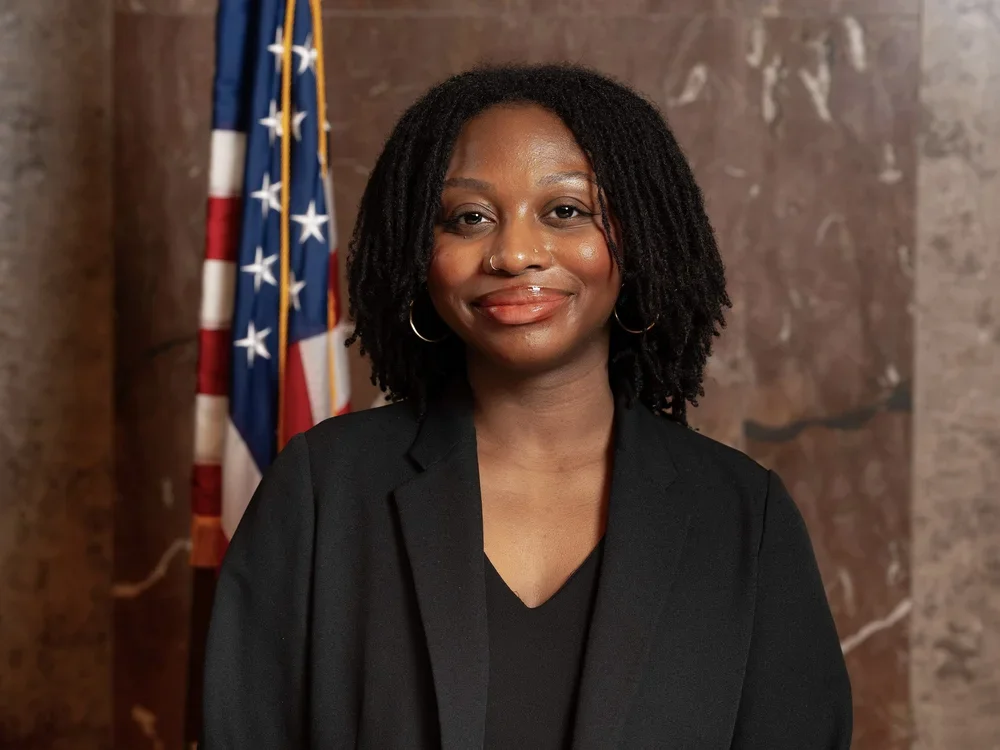
Mya Saint-Louis
Mya Saint-Louis is the Programs Associate at TechCongress, where they assist with recruiting, selections, placement, events, and fellowship programming. They have an interest in the intersection of digital technology, public policy, and social justice. Prior to TechCongress, Mya served as the Communications Coordinator of the Georgetown Black House and the Academic and Professional Development Chair of ColorStack Hoyas, the Georgetown Chapter of the national ColorStack organization. They hold a B.A. in Computer Science, Ethics, and Society from Georgetown University.
About TechCongress
TechCongress places technologists into the U.S. Congress through the Congressional Innovation Fellowship. Our fellows serve as technology advisors to Members of Congress and Committees, helping the legislative branch make better-informed decisions on the policy issues shaping the future of technology. By building a durable pipeline of technical talent on Capitol Hill, we work to ensure that Congress has the talent it needs to build a critical mass of technology expertise.